
Feminist Pedagogy Collective
The Feminist Pedagogy Collective - launched in 2024 and co-founded by Dr. Dana Olwan and Dr. Jiwoon Yulee from the Department of Women’s and Gender Studies at Syracuse University - focuses on the joys and challenges of teaching in higher education and the role of the feminist classroom in creating spaces for radical conversations, action, and social change. As part of our activities, we meet for a Feminist Pedagogy Hour, organize workshops on feminist pedagogies led by teachers from multiple fields and disciplines, read works by educators and pedagogues, share teaching strategies, and attend to the changing realities of the higher education classroom from critical, intersectional, and decolonial perspectives.

Feminist Pedagogy Talk
-
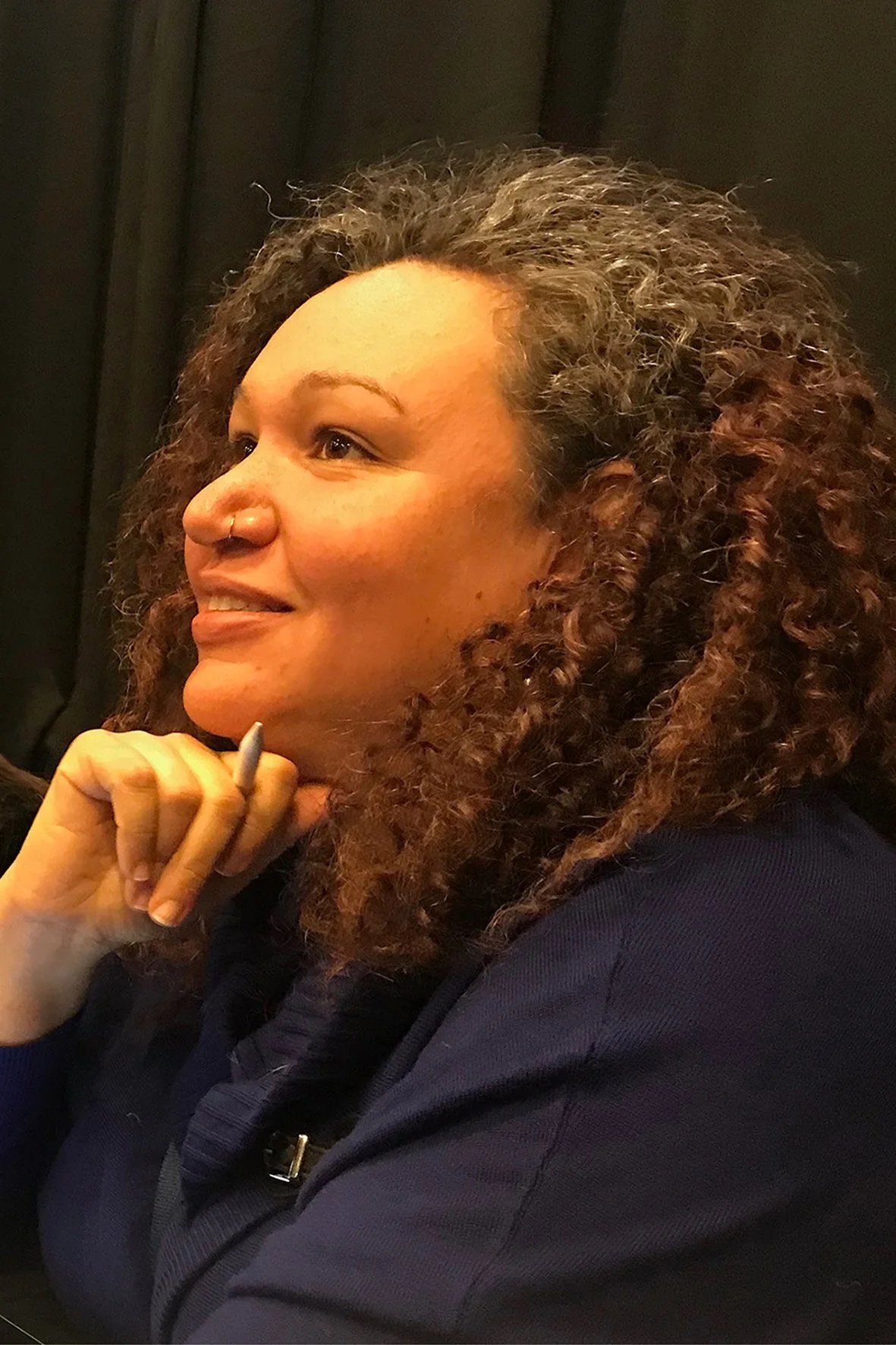
Professor, Department of African American Studies, Princeton University
“Foreign” Black Women: Confronting Xenophobic Antiblackness Globally
We are living in extraordinary times for the history of Black people. In these first two and a half decades of the millennium we have seen an unprecedented growth in Black economic power, we have witnessed Black people occupying positions of prestige and influence from national politics to board of corporations to directorships of academic and cultural spaces. These accomplishments have been matched by symbolic and institutional commitments from states and private agencies such as the creation of museums and the launching of new prestigious awards. But these last two and a half decades have also seen the largest wave of Black migration across the globe, mostly from places where conflicts and famine are destroying communities (places like Sudan, Eritrea and Haiti) . We have witnessed a surge of Black women mortality during childbirth, a raise of Black women unemployment, an increase on violence against Black women, particularly trans Black women, and a growth in Black women poverty rate across continents.[1] For all that is new about this genocidal violent antiblack moment we find ourselves in, one thing that remains across time and space is the systematic violence and oppression of poor, trans and immigrant Black women by everyone around them, which is only matched in magnitude and awe by their radical resilience. Black women across the globe continuously teach us how to survive disaster; how to not fall in the abyss and how to imagine otherwise. In this lecture, Professor García Peña focuses on the lives and work of Black women from across Latin America and Europe, bringing attention to the ways in which migration and anti-immigrant violence affect Black women as well as the multiple movements of resistance they have created and inspired.
-
-
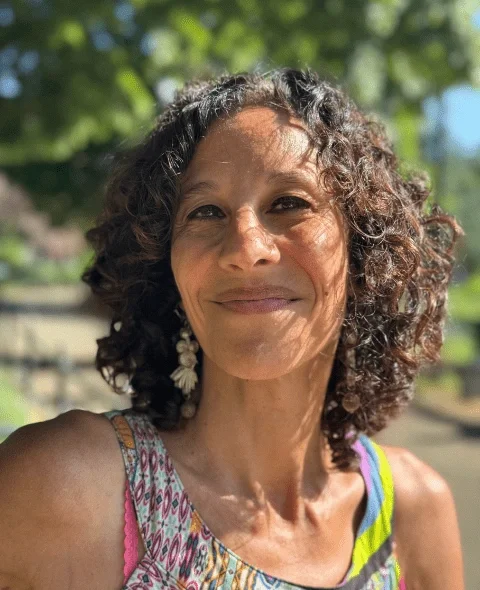
Professor, Anthropology, City University of New York
Through the lens of the genocide in Gaza, I will suggest that claims to innocence serve as a battleground for the shifting relationship between liberalism and illiberalism in the contemporary world, and as the ground of contemporary politics. Specifically, the liberal, Enlightenment belief that we all start off (equally) innocent is challenged by the illiberal notions that are circulating more and more widely, suggesting that innocence is less about equality, and more about essentialist, racially informed notions of inheritance or blood lines, and biology. In the liberal version, despite claims to the contrary, innocence has always been racialized and gendered; in its illiberal incarnation, it is an essentialist condition. Both enable profound political inequalities and hierarchies. How might a feminist praxis help us cultivate new ethico-political and affective ways of being, beyond innocence: contaminated, impure and entangled?
-
On Discomfort
I am going to suggest that a feminist pedagogy for our times requires discomfort, so in this workshop we will think together about how to cultivate and work with discomfort in our research and our political lives. I will frame the question of discomfort through the lens of innocence, which is a concept that many of us rely on in our work and everyday lives, whether we acknowledge it or not. In other words, sometimes discomfort is avoided by claiming innocence, and by not acknowledging our own forms of implication, interestedness, pleasure or power in our research sites. How might a feminist pedagogy and research practice lean into discomfort in a way that is responsible, even as it is difficult?
Feminist Pedagogy Hour
-
We invite graduate students and faculty members to discuss challenges in teaching amid ongoing and escalating attacks on higher education across the country. All are welcome, and participation in prior events is not a prerequisite for joining. Please share this information and the sign-up form with any students, faculty, or staff who are interested in feminist pedagogy.